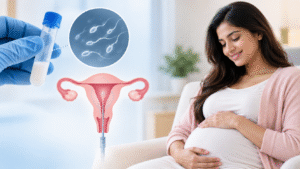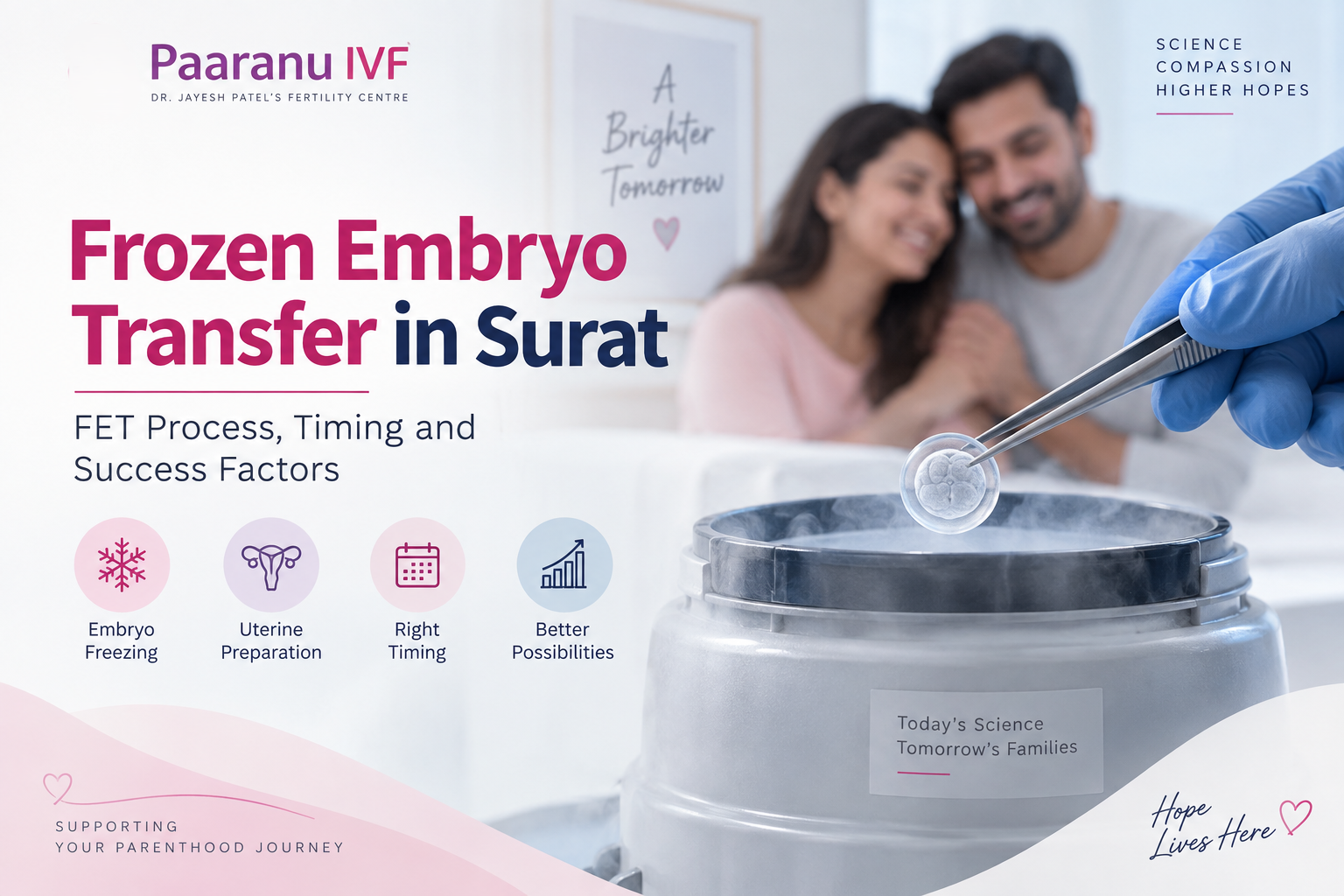
A frozen embryo transfer in Surat allows fertility specialists to thaw embryos created and frozen during an earlier IVF cycle and transfer them into the uterus at a later stage. Instead of repeating ovarian stimulation and egg retrieval, the fertility team prepares the uterine lining and chooses the appropriate time to transfer the frozen embryo.
Doctors may recommend frozen embryo transfer, commonly called FET, when embryos remain from an earlier IVF cycle, when the medical team postpones a fresh transfer, or when a couple plans another attempt using stored embryos.
At Paaranu IVF, the fertility team plans each FET cycle according to the patient’s fertility history, menstrual cycle, uterine health, available embryos, and previous treatment.
What Is a Frozen Embryo Transfer?
During IVF treatment in Surat, fertility specialists collect eggs and fertilize them with sperm in the laboratory. The embryology team then monitors the resulting embryos as they develop.
Depending on the treatment plan, the embryology team may preserve suitable embryos through cryopreservation instead of transferring them during the same IVF cycle.
During a later FET cycle, the embryology team carefully thaws a selected frozen embryo. Meanwhile, the fertility team prepares the uterine lining to support implantation. At the appropriate time, the fertility specialist passes a thin catheter through the cervix and places the embryo inside the uterine cavity.
Importantly, FET does not require patients to repeat the entire IVF process. If suitable frozen embryos are already available, patients generally do not need another egg retrieval for that transfer cycle.
Why Might a Frozen Embryo Transfer Be Recommended?
There are several situations in which a fertility specialist may recommend FET.
These can include:
- Extra suitable embryos remaining after an IVF cycle
- A planned freeze-all IVF cycle
- A previous unsuccessful embryo transfer
- A need to postpone embryo transfer for medical reasons
- Future attempts using previously stored embryos
- Situations where the uterine environment needs additional time before transfer
- Selected fertility treatment strategies where frozen transfer is considered appropriate
Embryo freezing is part of cryopreservation, which may allow embryos to be preserved for later treatment.
The reason for recommending FET should always be discussed individually because not every patient follows the same IVF protocol.
How Does the Frozen Embryo Transfer Process Work?
A frozen embryo transfer in Surat generally involves several stages.
1. Consultation and Treatment Review
Before beginning the cycle, the fertility specialist reviews the patient’s previous IVF treatment, available frozen embryos, menstrual history, and relevant medical information.
If the embryos were created during an earlier cycle, the embryology records can also help the team plan the transfer.
The doctor may recommend an ultrasound or other investigations before starting, depending on the patient’s history.
2. Preparing the Uterine Lining
The endometrium is the lining inside the uterus where an embryo may implant.
For FET, the fertility team aims to coordinate embryo transfer with an appropriately prepared endometrium.
There are two broad approaches.
Natural-cycle FET: This may be considered for women who ovulate regularly. The fertility team monitors the natural cycle and plans the transfer in relation to ovulation.
Medicated FET: Medicines may be prescribed to prepare the uterine lining and control the timing of the transfer.
The appropriate method depends on menstrual regularity, medical history, previous treatment, and the fertility specialist’s assessment.
How Is the Timing of FET Decided?
Timing is one of the most important parts of frozen embryo transfer.
The fertility team needs to synchronize the stage of the embryo with the development of the endometrium.
Depending on the treatment protocol, monitoring may involve:
- Ultrasound examinations
- Endometrial thickness assessment
- Ovulation monitoring
- Hormonal evaluation when required
- Carefully timed progesterone treatment in medicated cycles
Patients should take prescribed medicines according to the schedule given by their fertility team. Changing or stopping fertility medicines without medical advice can interfere with the planned timing of transfer.
What Happens When the Embryo Is Thawed?
Before the scheduled transfer, the selected embryo is thawed in the embryology laboratory.
Modern cryopreservation commonly uses rapid-freezing techniques designed to protect embryos during storage. However, embryo survival after thawing cannot be guaranteed in every individual case.
The embryology team evaluates the embryo after thawing before proceeding with the planned transfer.
Patients who want to understand embryo, egg, or sperm storage can read more about cryopreservation in Surat.
What Happens During Frozen Embryo Transfer?
Embryo transfer itself is usually a relatively short procedure.
The fertility specialist places the embryo into the uterus using a thin transfer catheter passed through the cervix.
There is no abdominal incision.
After the transfer, the patient receives instructions regarding medicines, normal activities, warning symptoms, and the timing of the pregnancy test.
Is Bed Rest Required After FET?
Routine prolonged bed rest is generally not necessary after an uncomplicated embryo transfer.
An embryo does not simply fall out of the uterus because a patient stands, walks, or uses the toilet.
Most patients can return to light everyday activities according to their fertility specialist’s advice. However, individual recommendations can differ depending on medical history and treatment circumstances.
Patients should follow the specific instructions provided by their treating fertility team regarding exercise, travel, work, sexual activity, and medicines.
When Is the Pregnancy Test Done After FET?
The fertility clinic will provide a specific date for the pregnancy test after embryo transfer.
A blood test measuring beta-hCG is commonly used to determine whether implantation has resulted in pregnancy.
Testing too early can produce misleading results, so patients should wait until the date recommended by their fertility specialist.
If pregnancy is confirmed, further monitoring may include repeat blood testing and an ultrasound at the appropriate stage.
What Factors Affect Frozen Embryo Transfer Success?
No fertility clinic can guarantee that a frozen embryo transfer will result in pregnancy.
Several factors may influence the outcome.
Age and Egg Quality
The age at which the eggs were collected can influence embryo quality and reproductive potential.
Embryo Development
Embryos do not all have the same developmental potential. Their stage and development before freezing are among the factors considered during treatment planning.
Uterine and Endometrial Health
The condition of the uterus and endometrial lining can also influence implantation.
Underlying Fertility Condition
The original cause of infertility remains relevant even when frozen embryos are available.
Previous Treatment History
Previous IVF cycles, embryo transfers, pregnancies, and miscarriages may provide useful information when planning another transfer.
Laboratory Factors
Embryo freezing, storage, thawing and assessment depend on appropriate embryology laboratory procedures.
These variables are why IVF outcomes can differ considerably between patients. Paaranu IVF also identifies age, egg and sperm quality, and the underlying cause of infertility as important factors affecting IVF outcomes.
FET vs Fresh Embryo Transfer
| Factor | Frozen Embryo Transfer | Fresh Embryo Transfer |
|---|---|---|
| Embryo | Previously frozen and thawed | Transferred without prior freezing |
| Timing | Performed in a later cycle | Usually follows egg retrieval |
| Ovarian stimulation | Usually not repeated if embryos are already stored | Part of the IVF cycle |
| Uterine preparation | Natural or medicated protocol may be used | Occurs during the stimulation cycle |
| Flexibility | Transfer can be scheduled in a later suitable cycle | Timing follows the current IVF cycle |
Neither approach should automatically be considered better for every patient. The fertility specialist selects a strategy according to the patient’s circumstances.
Does FET Guarantee Pregnancy?
No.
Even when an embryo survives thawing and the transfer procedure goes smoothly, implantation is not guaranteed.
Pregnancy depends on multiple biological factors, including embryo potential, maternal age, uterine conditions, and underlying fertility problems.
Couples considering FET should therefore discuss their individual circumstances rather than relying only on a general success-rate figure.
What If Male Infertility Was Part of the Original IVF Treatment?
If male-factor infertility affects fertilization during the original IVF cycle, fertility specialists may use techniques such as ICSI to help fertilize the eggs.
During ICSI treatment in Surat, an embryologist selects a suitable sperm and injects it directly into a mature egg to support fertilization.
Once the fertility team creates and freezes suitable embryos, the FET cycle does not require another fertilization step. Instead, the team prepares the uterine lining, thaws the selected embryo, and transfers it into the uterus at the appropriate time.
How Should You Prepare for Frozen Embryo Transfer?
Preparation depends on the individual treatment protocol, but patients should generally:
- Take prescribed medicines exactly as instructed
- Attend scheduled ultrasound or blood-test appointments
- Tell the fertility specialist about other medicines or supplements being taken
- Avoid smoking and alcohol
- Maintain a balanced diet
- Follow medical advice regarding exercise and physical activity
- Ask before starting or stopping any medication
There is no single food, supplement, or lifestyle technique that can guarantee embryo implantation.
Frozen Embryo Transfer in Surat at Paaranu IVF
For couples considering a frozen embryo transfer in Surat, Paaranu IVF provides fertility evaluation and assisted reproductive treatment, including IVF and cryopreservation.
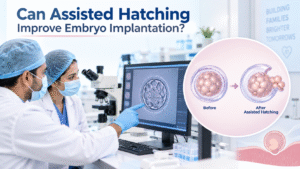
The clinic’s fertility services include IVF, IUI, ICSI, IMSI, assisted hatching, and cryopreservation. Dr. Jayesh Patel, Clinical Director at Paaranu IVF, has more than 25 years of experience in gynecology, fertility, and fetal medicine.
A consultation can help determine whether FET is appropriate, how the uterine lining should be prepared, and how the timing of transfer will be planned according to the available embryos and individual fertility history.
Conclusion
A frozen embryo transfer in Surat provides an opportunity to use embryos preserved from an earlier IVF cycle without necessarily repeating ovarian stimulation and egg retrieval.
The process involves reviewing the patient’s fertility history, preparing and monitoring the uterine lining, carefully timing the cycle, thawing the selected embryo, and transferring it into the uterus.
FET outcomes depend on several factors rather than the transfer procedure alone. Embryo development, age at egg retrieval, uterine health, the underlying fertility condition, and previous treatment history can all influence the chance of pregnancy.
Couples considering FET should discuss their individual circumstances with a fertility specialist and follow the prescribed treatment and medication schedule carefully.
FAQs
What is a frozen embryo transfer?
A frozen embryo transfer involves thawing an embryo that was preserved during an earlier IVF cycle and transferring it into the uterus.
Do I need another egg retrieval for FET?
Usually not if suitable frozen embryos are already available. Another egg retrieval may only be required if additional embryos need to be created.
Is frozen embryo transfer painful?
Embryo transfer is generally a short procedure and usually causes little discomfort, although individual experiences can vary.
How long does a frozen embryo transfer cycle take?
The timeline depends on whether a natural or medicated protocol is used and how the uterine lining responds.
Can I walk after frozen embryo transfer?
Most patients can perform gentle everyday activities after an uncomplicated transfer unless their fertility specialist gives different instructions.
Does frozen embryo transfer guarantee pregnancy?
No. FET cannot guarantee pregnancy. Embryo potential, age, uterine health, and other fertility factors can influence the outcome.