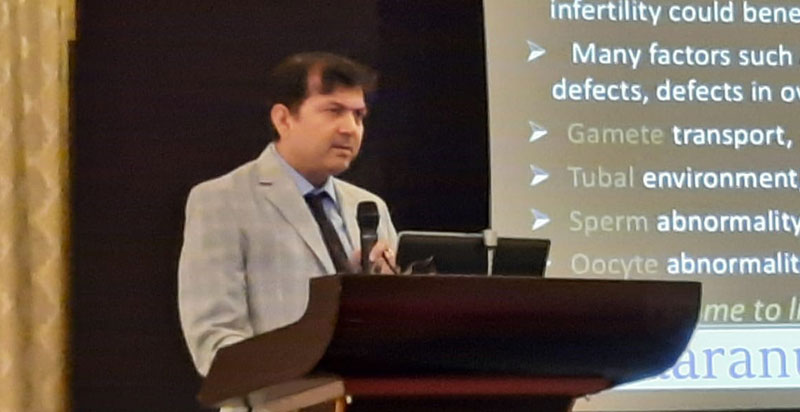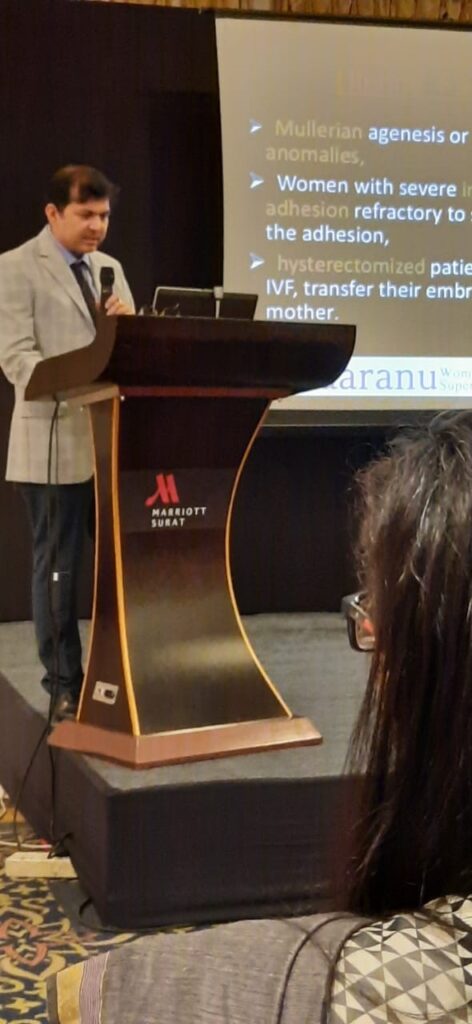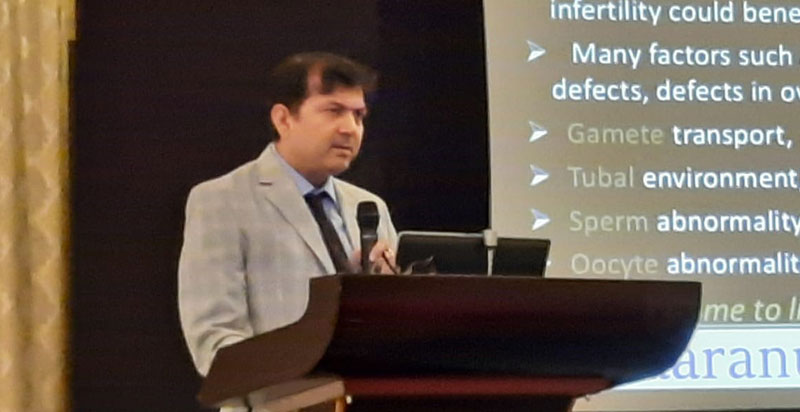
It was a privilege to deliver a lecture at the conference on infertility and IVF organised by the Surat Obstetric and Gynaecological Society on the 19th of January. Infertility care is at the very heart of what we do at Paaranu Women’s Superspecialities, and the chance to share knowledge and experience on this subject with colleagues from across the region was both an honour and a responsibility I value greatly.
Infertility is far more common than most people realise, and yet it remains one of the most misunderstood areas of medicine. For the couples living through it, the experience can be isolating and emotionally exhausting. For the clinicians who care for them, staying current with a rapidly advancing field is essential, because the science of assisted reproduction changes quickly and the decisions we make have a profound impact on people’s lives and families.
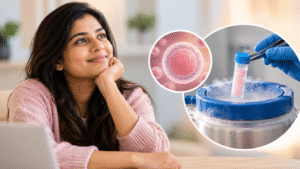
In my lecture, I aimed to connect the science with the realities of everyday practice. Infertility is not a single problem with a single cause. It can arise from a wide range of factors, in the woman, in the man, in both partners, or sometimes with no clear cause at all. A careful, systematic evaluation of the couple together is the foundation of good care, and it is what allows us to recommend the right treatment rather than a one size fits all approach. In vitro fertilisation, or IVF, is a remarkable tool, but it is one option among several, and knowing when it is truly indicated is as important as knowing how to perform it.
I also wanted to emphasise the human side of fertility care. Behind every treatment cycle is a couple carrying hope, anxiety and often a history of disappointment. The way we counsel them, set realistic expectations and support them emotionally matters just as much as the technical precision of the treatment itself. A good fertility practice heals not only the medical condition but also the distress that surrounds it.
Conferences like this one, organised by the Surat Obstetric and Gynaecological Society, play an invaluable role. They bring practitioners together to share the latest evidence, to discuss difficult cases, and to learn from one another’s experience. The questions and discussion that followed my lecture were thoughtful and practical, and I came away having learned as much from my colleagues as I hope they took from me.
At Paaranu, we believe that raising the standard of infertility care across the whole region benefits every couple, not only those who come to us. When more clinicians understand how to evaluate, counsel and treat infertility well, and when they know when to refer for specialised help, more families are built and more heartache is spared.
I am grateful to the Surat Obstetric and Gynaecological Society for the opportunity to speak and for organising such a valuable conference. I thank everyone who attended and engaged so warmly with the topic. Sharing knowledge in the service of couples longing for a child is among the most meaningful parts of my work, and I look forward to many more such gatherings.